


Car Paint Protection Tips: Protect Your Car Paint Effectively

Maintaining the pristine condition of your vehicle’s paint is a technical challenge that requires understanding the materials and environmental factors involved. Paint protection is not just about aesthetics; it preserves the structural integrity of the car’s exterior and maintains its value over time. In this article, I will share detailed, practical insights on how to protect your car paint effectively, focusing on methods that deliver long-lasting results.
Understanding Car Paint Protection Tips
Car paint is composed of multiple layers, including the primer, base coat, and clear coat. Each layer plays a critical role in protecting the metal body from corrosion and damage. However, exposure to UV rays, road debris, bird droppings, and harsh weather conditions can degrade these layers. Effective protection strategies focus on reinforcing the clear coat and preventing contaminants from bonding to the surface.
Here are some essential car paint protection tips that I have found effective:
Regular Washing: Dirt and grime can cause micro-scratches if left on the surface. Use a pH-neutral car shampoo and a microfiber wash mitt to minimize abrasion.
Proper Drying: Avoid air drying, which can leave water spots. Instead, use a clean microfiber towel to gently dry the surface.
Clay Bar Treatment: This removes bonded contaminants that washing alone cannot eliminate, preparing the surface for further protection.
Waxing and Sealants: These create a sacrificial layer that shields the paint from UV rays and minor scratches.
Ceramic Coatings: A more advanced option that chemically bonds to the paint, providing durable protection and hydrophobic properties.
Each of these steps contributes to a comprehensive paint protection routine that extends the life and appearance of your vehicle’s finish.

Advanced Car Paint Protection Tips for Long-Term Durability
For those seeking superior protection, especially in regions with variable weather like Montreal and the South Shore, advanced techniques are necessary. Ceramic coatings have become the gold standard for high-end vehicle protection. These coatings form a permanent or semi-permanent bond with the paint, creating a hard, transparent layer that resists chemical stains, UV damage, and minor abrasions.
Key advantages of ceramic coatings include:
Hydrophobic Effect: Water beads and slides off easily, reducing water spots and making cleaning simpler.
Chemical Resistance: Protects against acidic contaminants such as bird droppings and road salts.
Enhanced Gloss: Deepens the paint’s shine, enhancing the vehicle’s appearance.
Durability: Lasts several years with proper maintenance, unlike traditional waxes that require frequent reapplication.
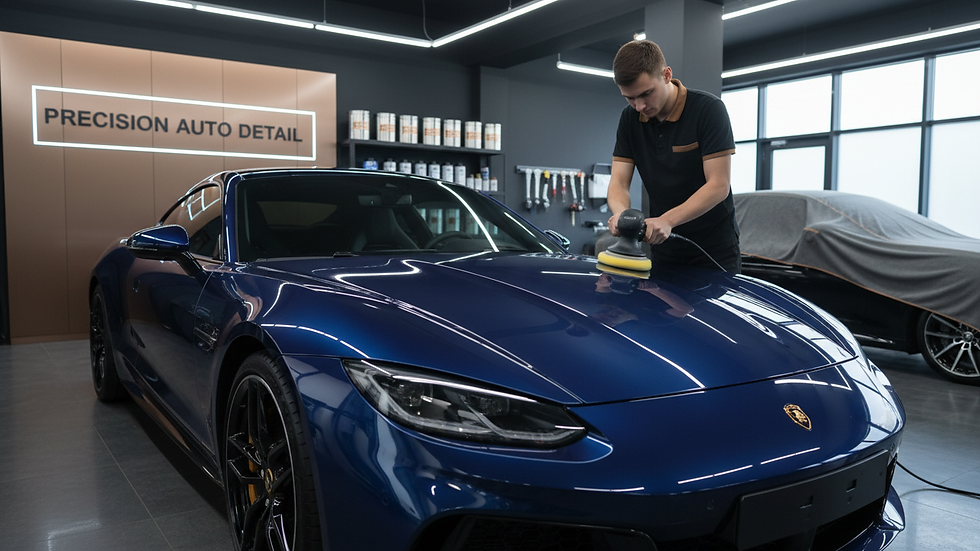
To maximize the benefits of ceramic coatings, surface preparation is critical. This involves thorough washing, paint correction to remove swirl marks and scratches, and decontamination with clay bars or chemical cleaners. Skipping these steps can result in poor bonding and reduced effectiveness.
For those who prefer a less permanent solution, high-quality paint sealants offer a balance between protection and ease of application. Sealants typically last 6 to 12 months and provide a glossy finish with good resistance to environmental damage.
Essential Maintenance Practices to Preserve Paint Protection
Applying protective layers is only part of the process. Maintaining the integrity of your car’s paint protection requires consistent care. Here are some maintenance practices I recommend:
Routine Washing: Use the two-bucket method to avoid reintroducing dirt to the paint. One bucket for soapy water, one for rinsing the mitt.
Avoid Automatic Car Washes: Many use harsh brushes that can cause micro-scratches. Opt for touchless or hand washes.
Use Proper Drying Tools: Microfiber towels designed for automotive use prevent scratches and lint residue.
Inspect Regularly: Check for bird droppings, tree sap, or other contaminants and remove them promptly using appropriate cleaners.
Reapply Protection: Depending on the product, reapply wax or sealant every few months. Ceramic coatings require less frequent maintenance but still benefit from periodic cleansing with pH-neutral shampoos.
By following these steps, you ensure that the protective layers remain effective and your car’s paint stays in optimal condition.
Environmental Factors Affecting Paint Longevity
Understanding the environmental challenges specific to Quebec, especially Montreal and the South Shore, is crucial for effective paint protection. The region experiences a wide range of weather conditions, including:
Harsh Winters: Road salt and sand used for ice control can accelerate corrosion and damage paint.
UV Exposure: Summer months bring intense sunlight that can fade and oxidize paint.
Rain and Humidity: Promote water spotting and can lead to mineral deposits on the surface.
Tree Sap and Bird Droppings: Common in urban and suburban areas, these contaminants are acidic and can etch into the paint if not removed quickly.
To mitigate these risks, I recommend seasonal adjustments to your paint protection routine. For example, applying a robust ceramic coating before winter can shield the paint from salt damage. During summer, frequent washing and waxing help combat UV damage and environmental fallout.
Practical Steps for Protecting Your Car Paint
If you want to learn more about how to protect your car paint, I suggest starting with a detailed assessment of your vehicle’s current condition. Here is a step-by-step approach I follow:
Initial Inspection: Identify existing paint damage such as scratches, swirl marks, or oxidation.
Thorough Cleaning: Use a high-quality car shampoo and clay bar treatment to remove contaminants.
Paint Correction: If necessary, perform polishing to restore paint clarity and smoothness.
Apply Protection: Choose between wax, sealant, or ceramic coating based on your needs and budget.
Regular Maintenance: Establish a washing and inspection schedule to maintain protection.
This methodical approach ensures that the paint protection is both effective and long-lasting.

Final Thoughts on Maintaining Paint Protection
Protecting your car’s paint is a technical process that requires precision and knowledge. By combining proper cleaning, surface preparation, and advanced protective coatings, you can significantly extend the life of your vehicle’s finish. The investment in quality protection pays off by preserving the car’s appearance and resale value.
Remember, the key to success lies in consistent maintenance and adapting your protection strategy to the local climate and environmental conditions. Whether you choose traditional waxes or modern ceramic coatings, the goal is to create a durable barrier that shields your paint from daily hazards.
By following these car paint protection tips, you ensure your vehicle remains in excellent condition for years to come.


Comments